Home About Us Exploratory Perks News & Media Contact Us

Indian Scientists

Great Indian scientists and their field of work.

Timeline of some of the India's greatest scientists and their extraordinary contributions.

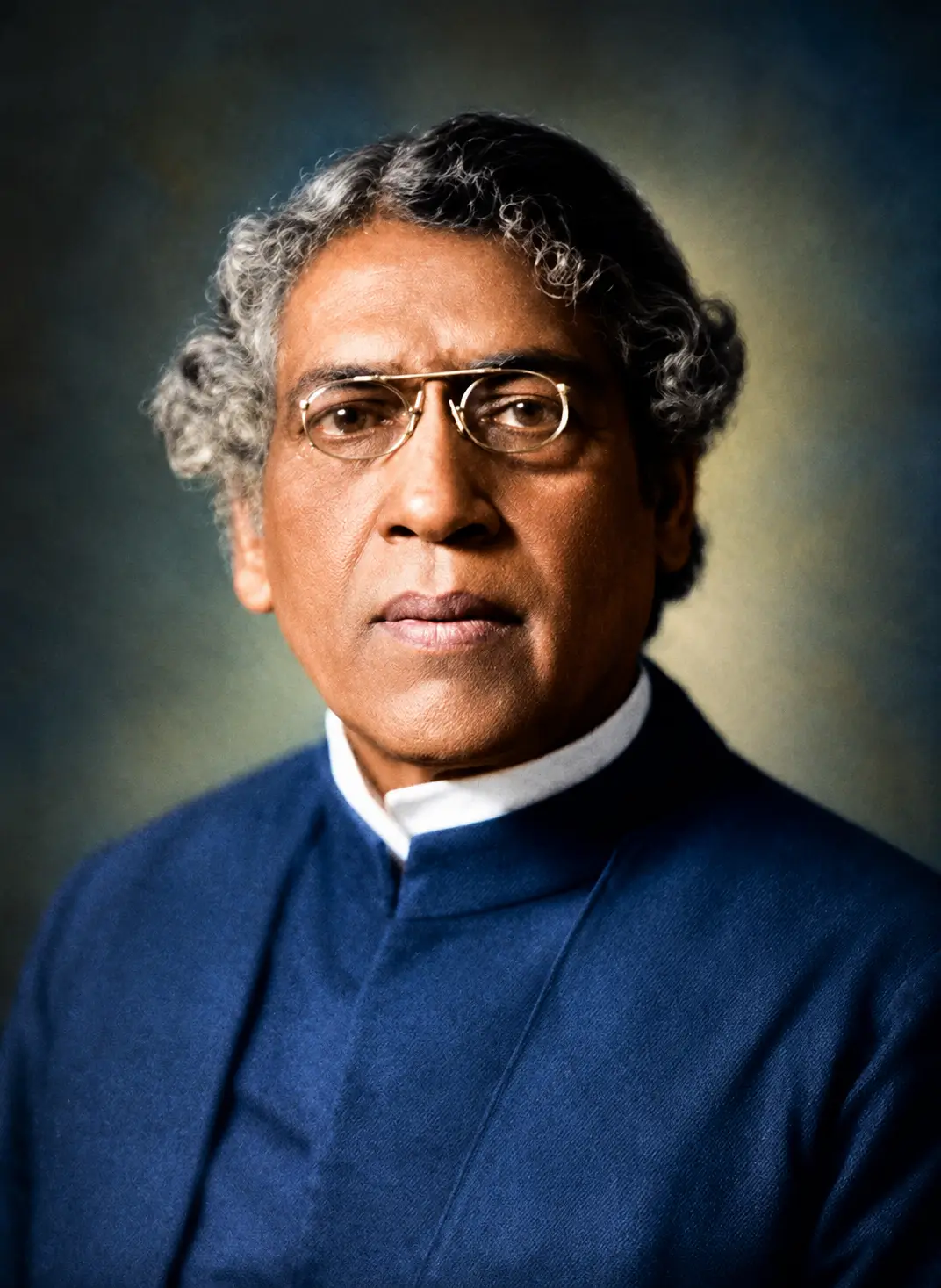
1858
Jagadish Chandra Bose
Born 1858

Jagadish Chandra Bose

  • Physics
  • Biology

He worked on the properties of plants and showed that plants respond to external stimuli such as light, sound, and touch.

Also remembered for early work in radio and microwave science.
1861
Prafulla Chandra Ray
Born 1861

Prafulla Chandra Ray

  • Chemistry

He made significant contributions to chemistry in India and founded Bengal Chemical and Pharmaceutical Works, which produced affordable medicines for the masses.

A central figure in modern Indian chemical education and industry.

1887
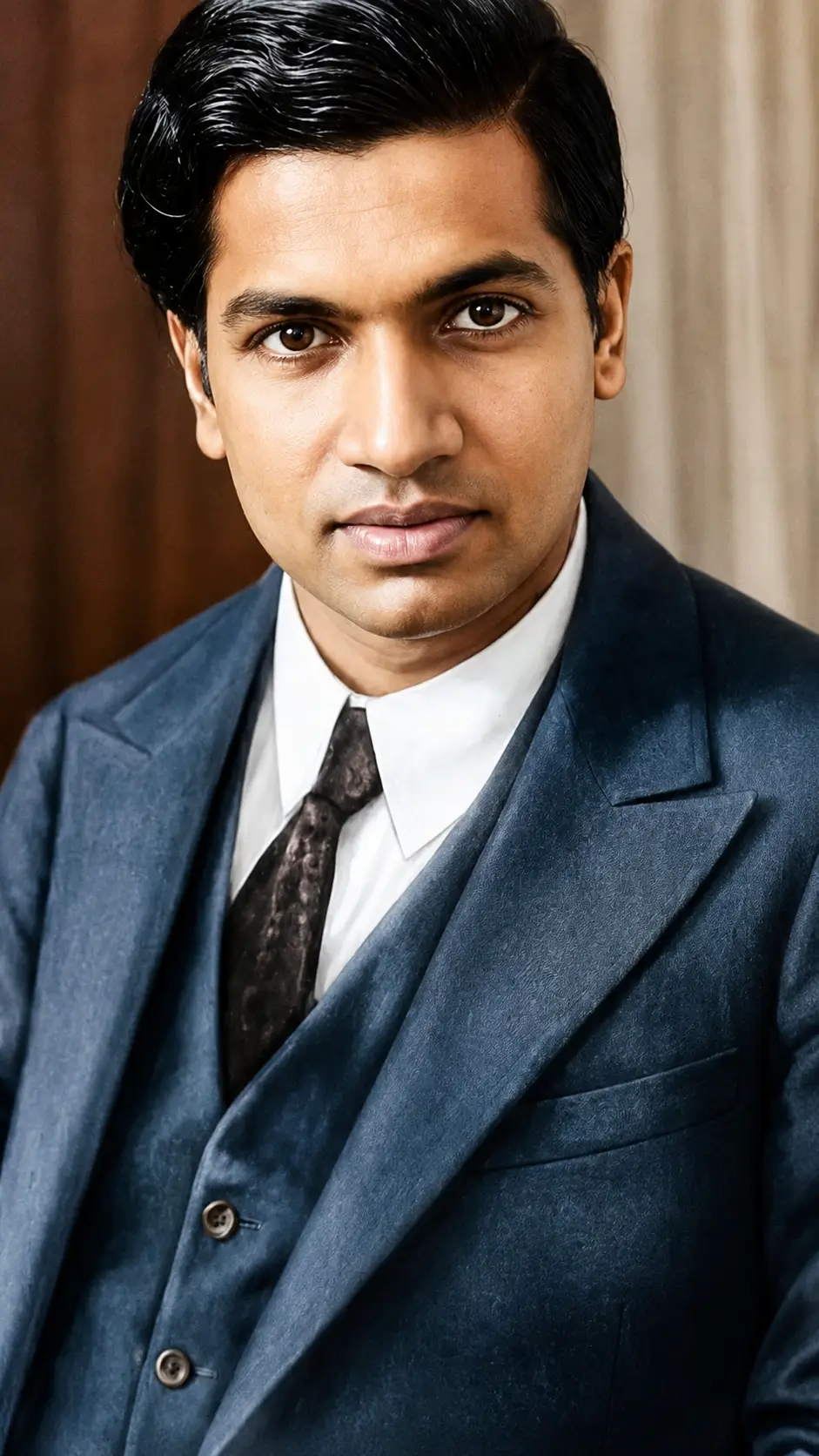
Srinivasa Ramanujan
Born 1887

Srinivasa Ramanujan

  • Mathematics

He made major contributions to mathematics, especially number theory, and produced many formulas and theories that remain important today.

His notebooks continue to influence modern mathematical research.

1888
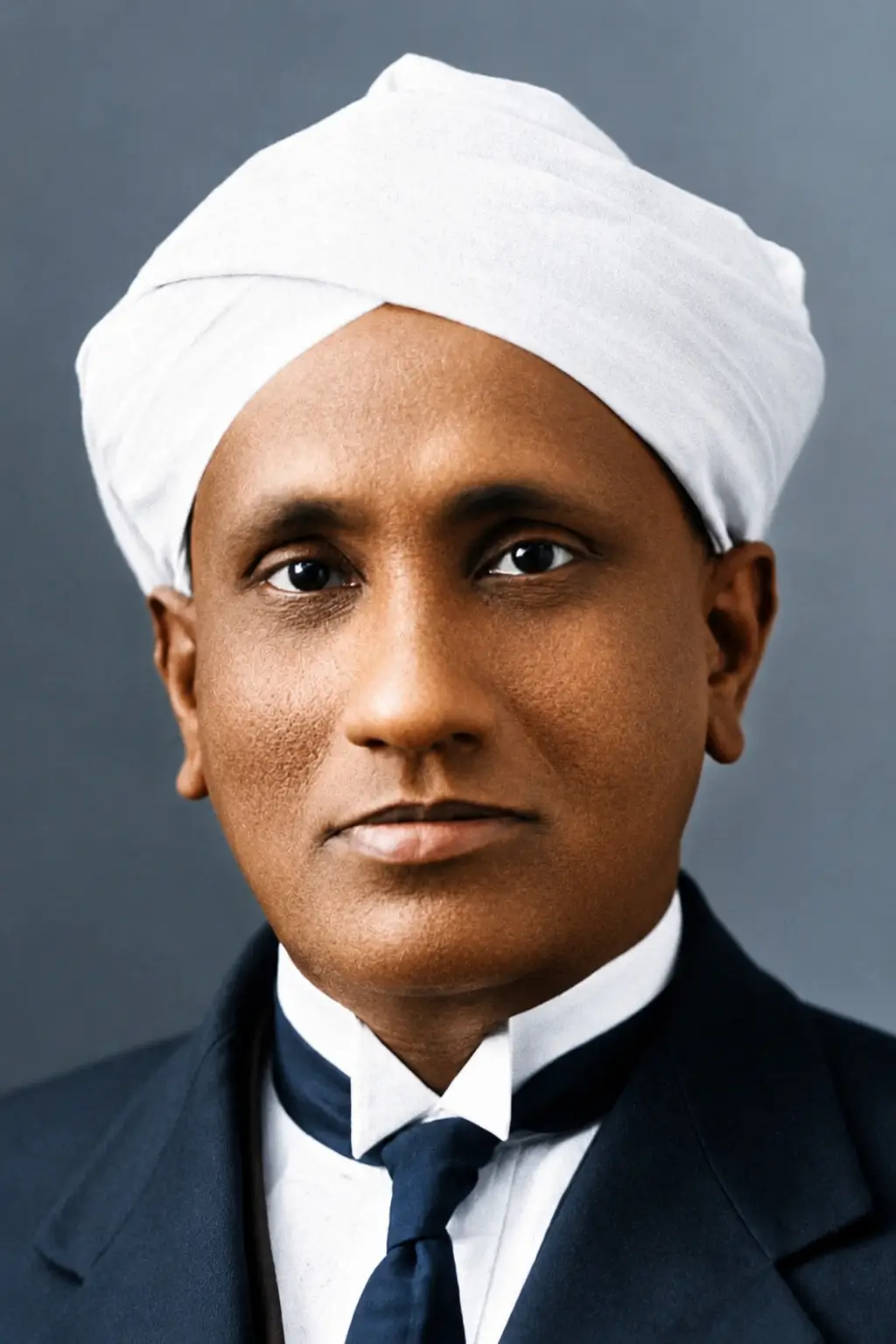
C. V. Raman
Born 1888

C. V. Raman

  • Physics

He discovered the Raman effect, explaining how light interacts with matter and helping scientists better understand the behavior of light and materials.

His discovery earned the Nobel Prize in Physics in 1930.

1893
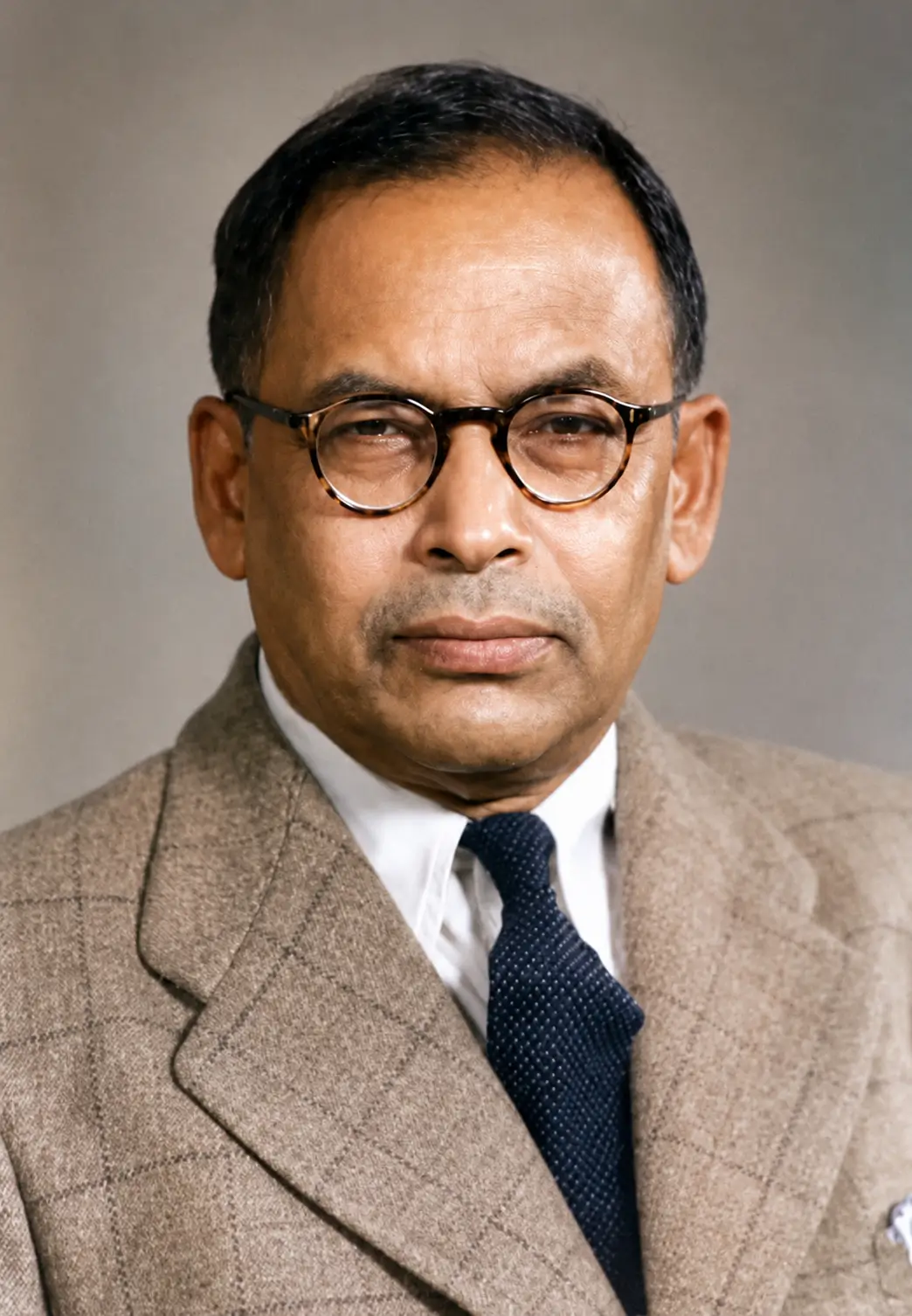
Meghnad Saha
Born 1893

Meghnad Saha

  • Physics
  • Astronomy

He made important contributions to astrophysics and developed ideas that helped explain the physical conditions inside stars.

Best known for the Saha ionization equation used in stellar spectroscopy.

1894
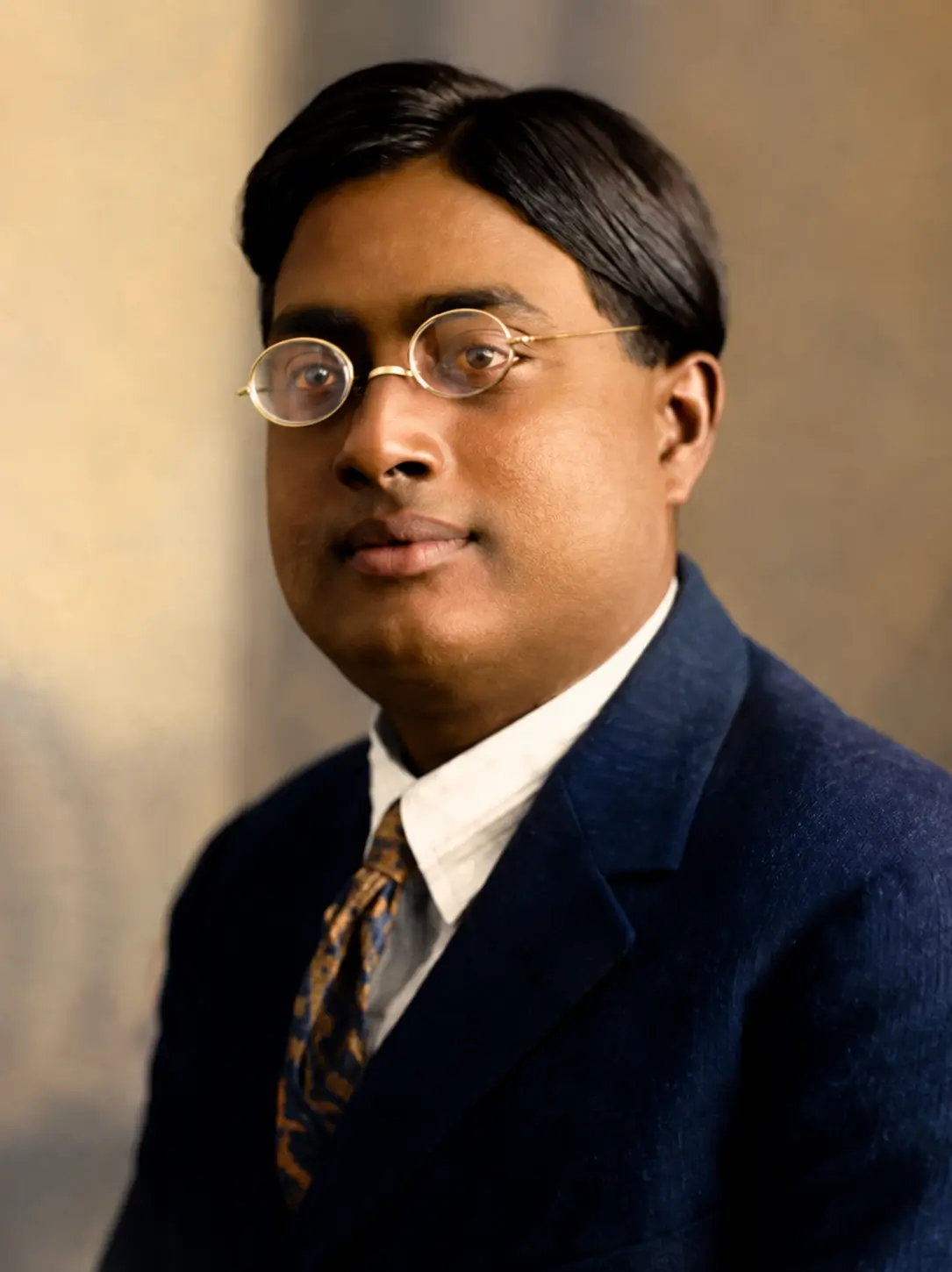
Satyendra Nath Bose
Born 1894

Satyendra Nath Bose

  • Physics

He worked on quantum mechanics and developed a theory explaining how particles behave at very low temperatures, now known as Bose-Einstein statistics.

Particles called bosons are named in his honor.

1894
Shanti Swarup Bhatnagar
Born 1894

Shanti Swarup Bhatnagar

  • Chemistry

He made significant contributions to chemistry in India and founded the Council of Scientific and Industrial Research, which promotes scientific research in India.

The Shanti Swarup Bhatnagar Prize is named after him.

1895
Yellapragada Subbarao
Born 1895

Yellapragada Subbarao

  • Biochemistry
  • Pharmacology

He was a biochemist whose work helped lead to important drugs, including cancer chemotherapy drugs, and he contributed to understanding ATP in cellular energy transfer.

This card combines the two supplied Yellapragada Subbarao entries.

1896
Salim Ali
Born 1896

Salim Ali

  • Ornithology

He studied birds and their behavior in India, and is known for extensive work on bird migration and conservation.

Often called the birdman of India.

1897
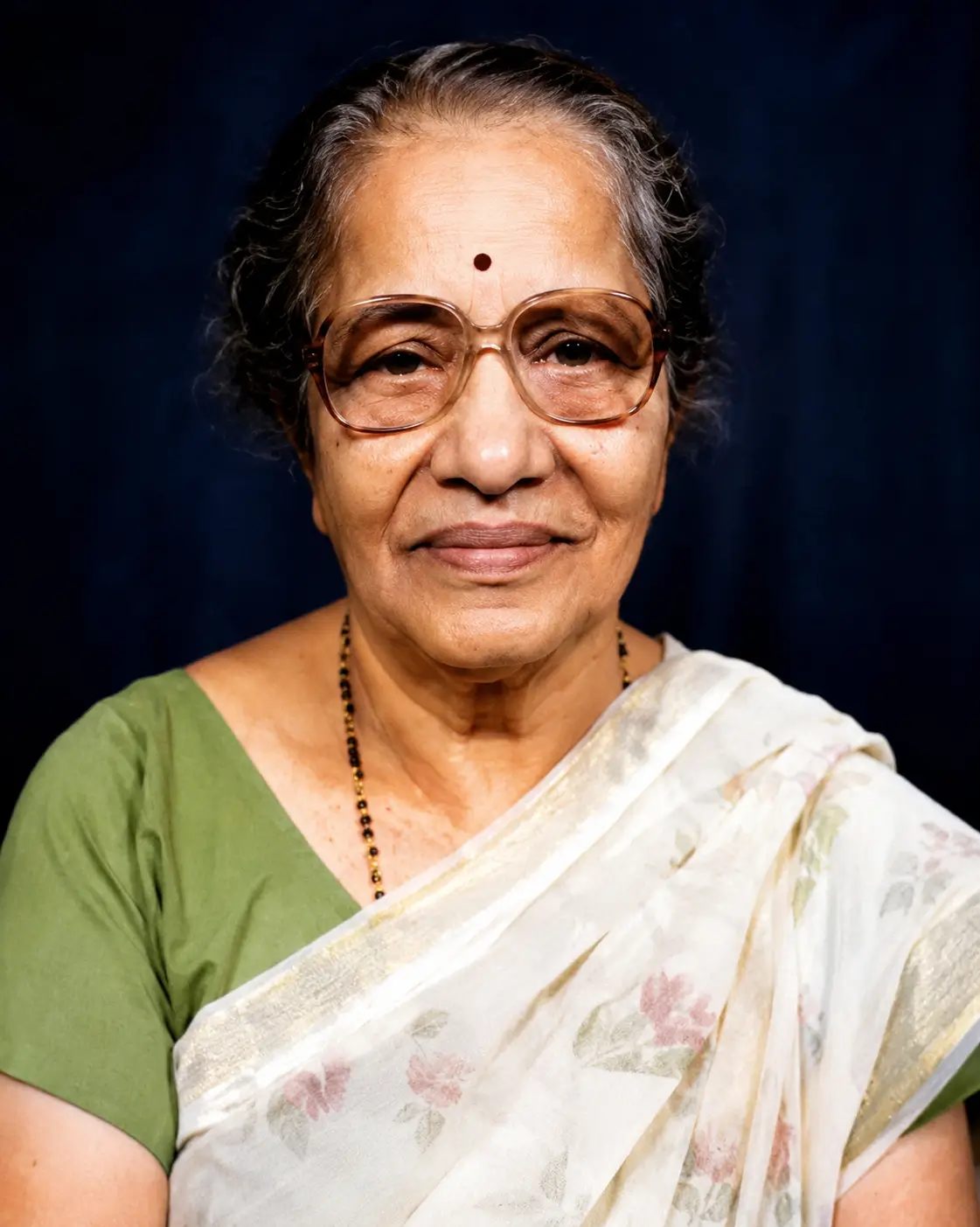
Dr. Edavalath Kakkat Janaki Ammal
BORN 1897

Dr. Edavalath Kakkat Janaki Ammal

  • Botany
  • Cytogenetics

She was the first Indian woman to earn a Ph.D. in Botany in the U.S. (1931) and developed high-yielding, sweeter sugarcane varieties that strengthened India's agricultural self-reliance.

The trailblazing botanist who sweetened India's future through science and innovation.

1909
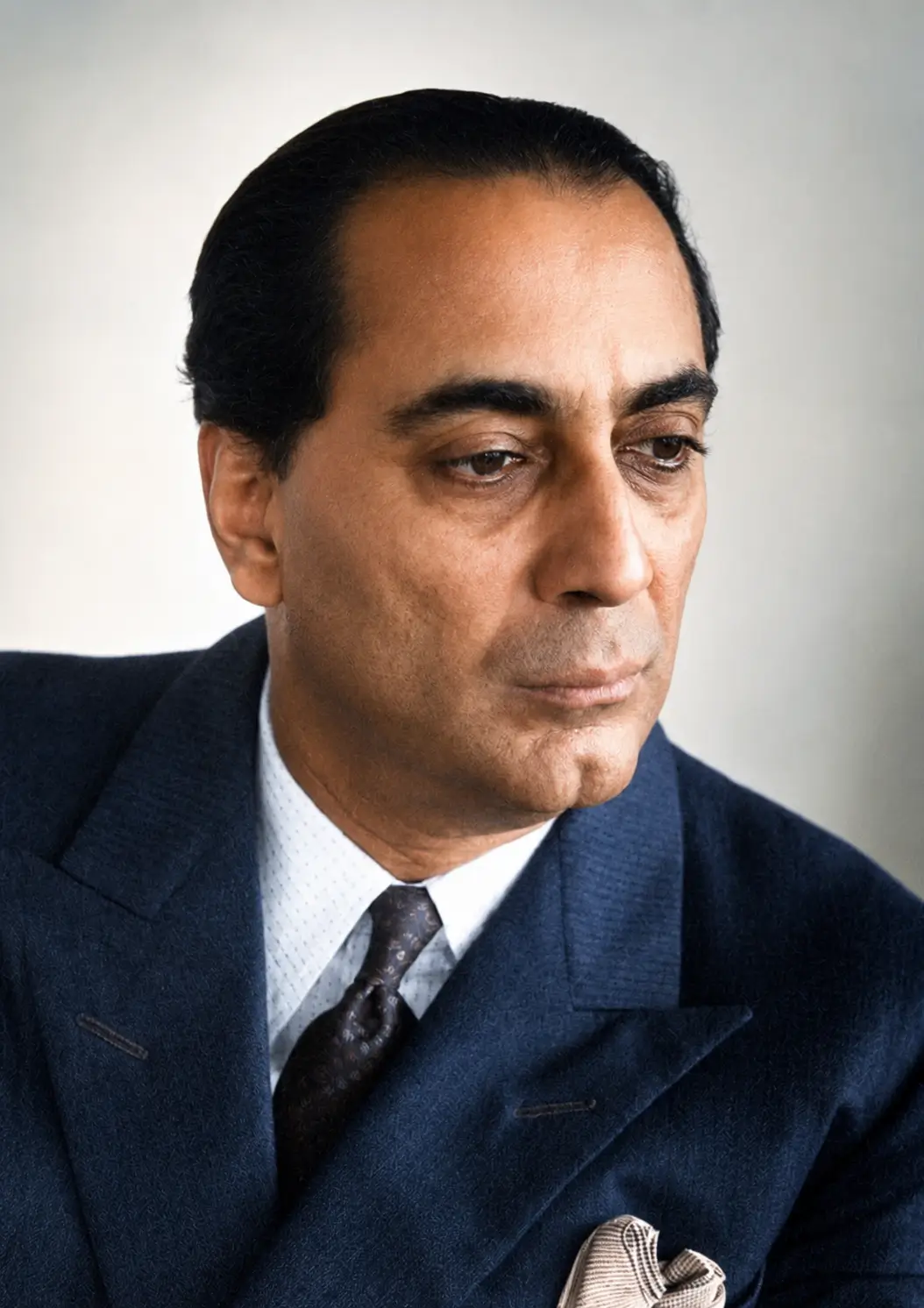
Homi J. Bhabha
Born 1909

Homi J. Bhabha

  • Physics

He played a key role in the development of India's nuclear program and contributed to the study of cosmic rays and high-energy physics.

Known as a founding architect of India's atomic energy program.

1910
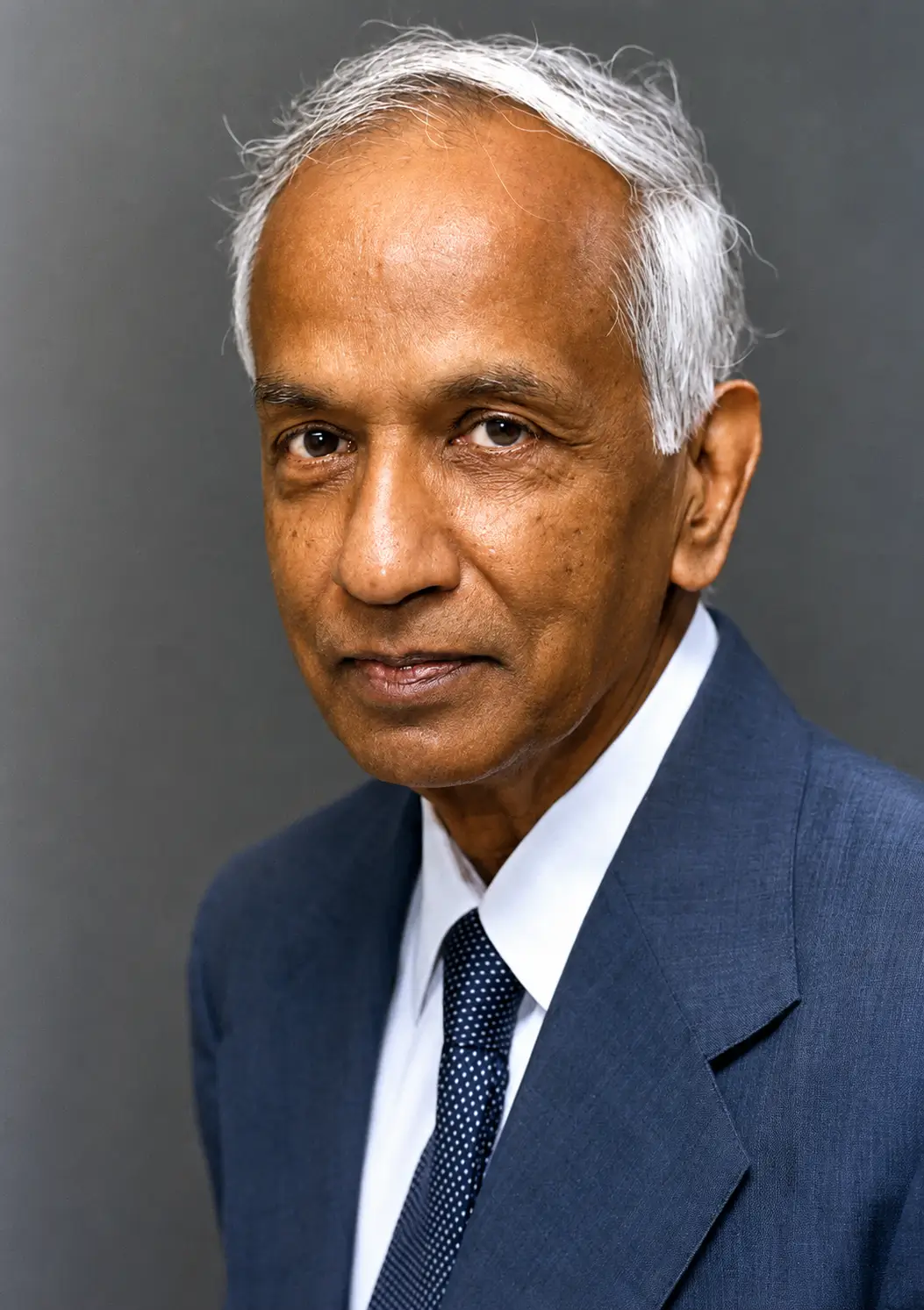
Subrahmanyan Chandrasekhar
Born 1910

S. Chandrasekhar

  • Astrophysics

He advanced the mathematical understanding of stars, stellar structure, and stellar evolution.

Best known for the Chandrasekhar limit.

1911
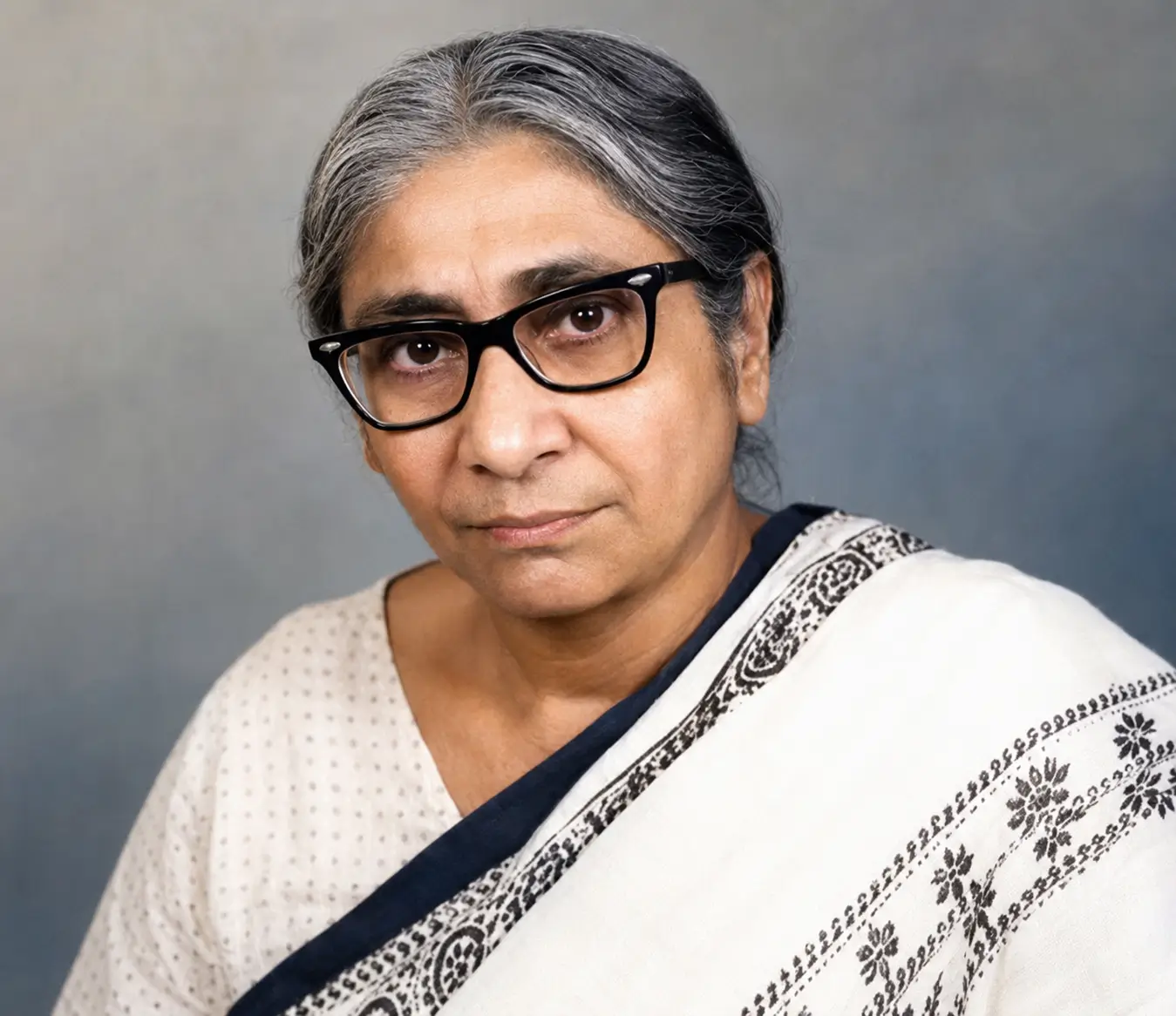
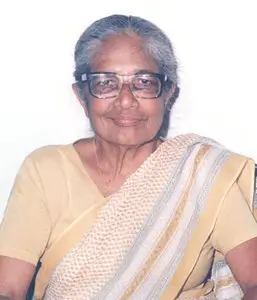
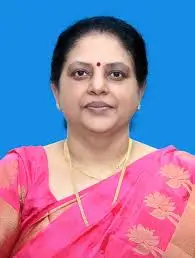
Dr. Kamala Sohoni
Born 1911

Dr. Kamala Sohoni

  • Biochemistry

She was the first Indian woman to earn a doctorate in botany in the U.S. (University of Michigan, 1931) and is best known for breeding high-yielding, sweeter sugarcane varieties that helped secure India's agricultural independence.

Broke gender barriers in science and paved the way for women at IISc.

1913
Bibha Chowdhuri
Born 1913

Bibha Chowdhuri

  • Physics

She was the first woman particle physicist in India. She is renowned for her groundbreaking 1940s research on cosmic rays and meson

A visionary scientist whose discoveries expanded our understanding of the subatomic world.

1917
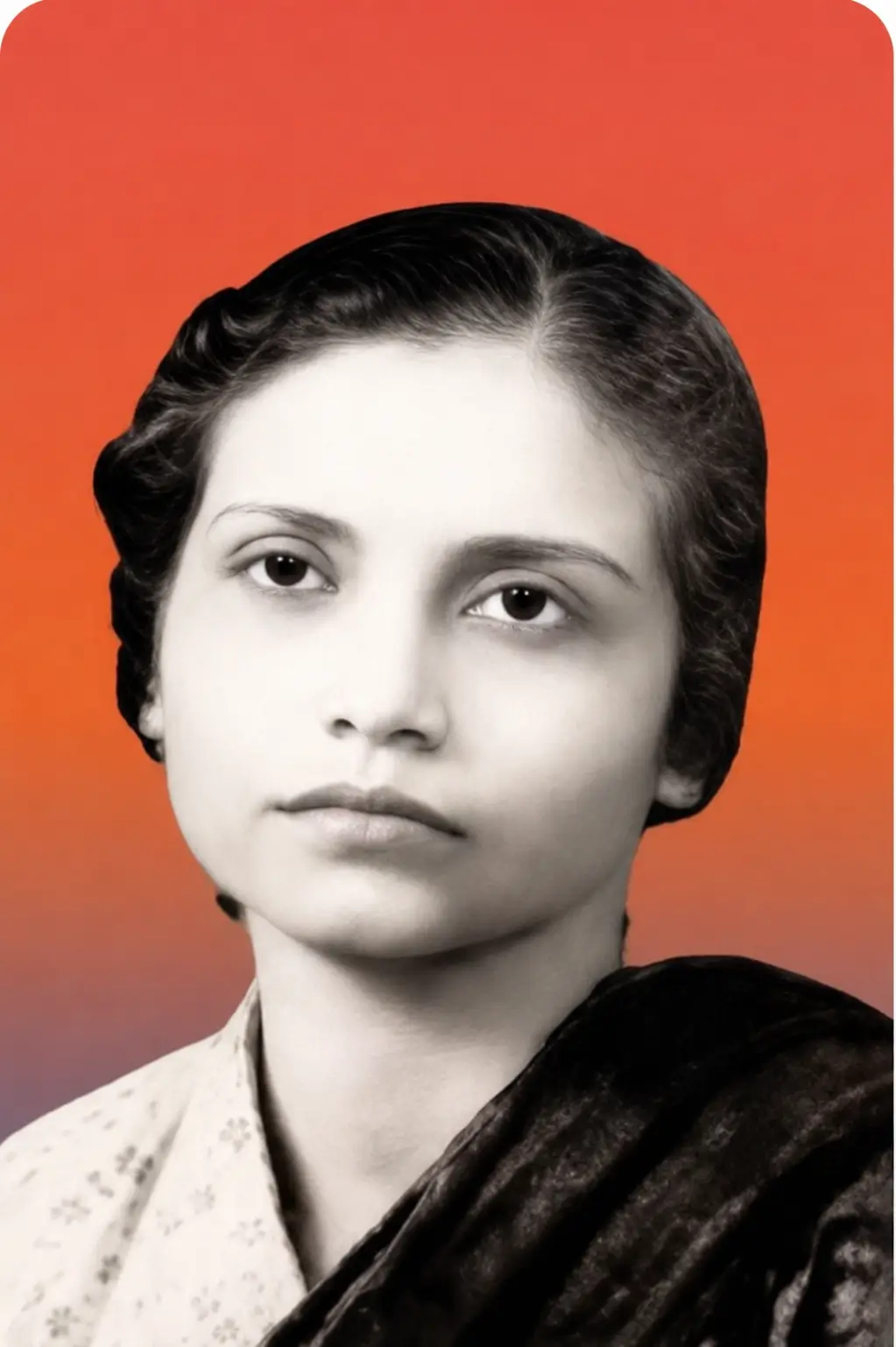
Asima Chatterjee
Born 1917

Asima Chatterjee

  • Organic chemistry
  • Physics

She pioneered research on anti-malarial and anti-epileptic drugs, advanced the study of medicinal plants, and became the first woman to earn a Doctorate of Science from an Indian university.

Pioneer of medicinal chemistry whose discoveries improved treatments for malaria and epilepsy.

1917
Dr. Kamal Randive
Born 1917

Dr. Kamal Randive

  • Biomedical research

She is known for her research on the links between cancers and viruses.She established the first tissue culture laboratory in Mumbai. Ranadive was a pioneer in animal modeling of cancer development. Her research led to further understanding of leukemia, breast cancer, and esophageal cancer.

Visionary cancer biologist who laid the foundation for modern cancer research in India.

1918
Anna Mani
Born 1918

Anna Mani

  • Physics
  • Meteorology

She retired as the deputy director general of the Indian Meteorological Department and also served as a visiting professor at the Raman Research Institute

One of India's foremost meteorologists, shaping the nation's atmospheric science capabilities.

1919
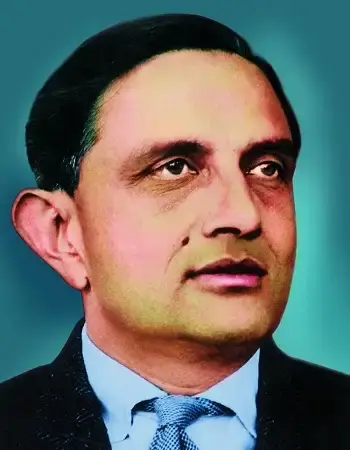
Vikram Sarabhai
Born 1919

Vikram Sarabhai

  • Physics
  • Space Science

He played a key role in developing India's space program and made contributions to cosmic rays and high-energy physics.

Widely known as the father of the Indian space program.

1922
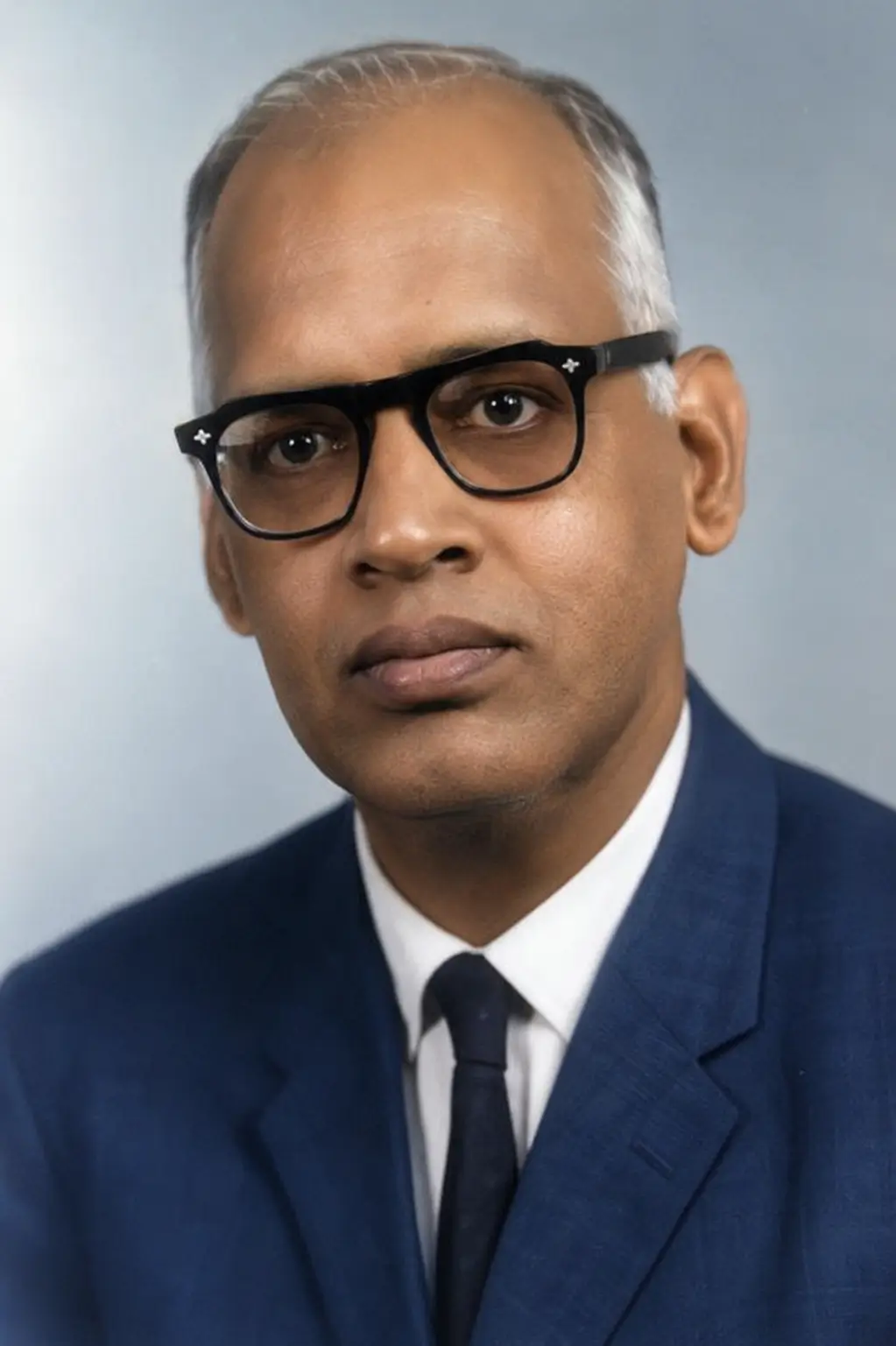
G. N. Ramachandran
Born 1922

G. N. Ramachandran

  • Physics
  • Chemistry
  • Biology

He made significant contributions across physics, chemistry, and biology, especially to the study of protein and DNA structure.

His Ramachandran plot became fundamental in structural biology.

1922
Har Gobind Khorana
Born 1922

Har Gobind Khorana

  • Biochemistry

He helped explain how DNA codes for proteins, an essential idea for understanding how cells function, and also helped develop methods for synthesizing DNA.

Shared the 1968 Nobel Prize in Physiology or Medicine.

1922
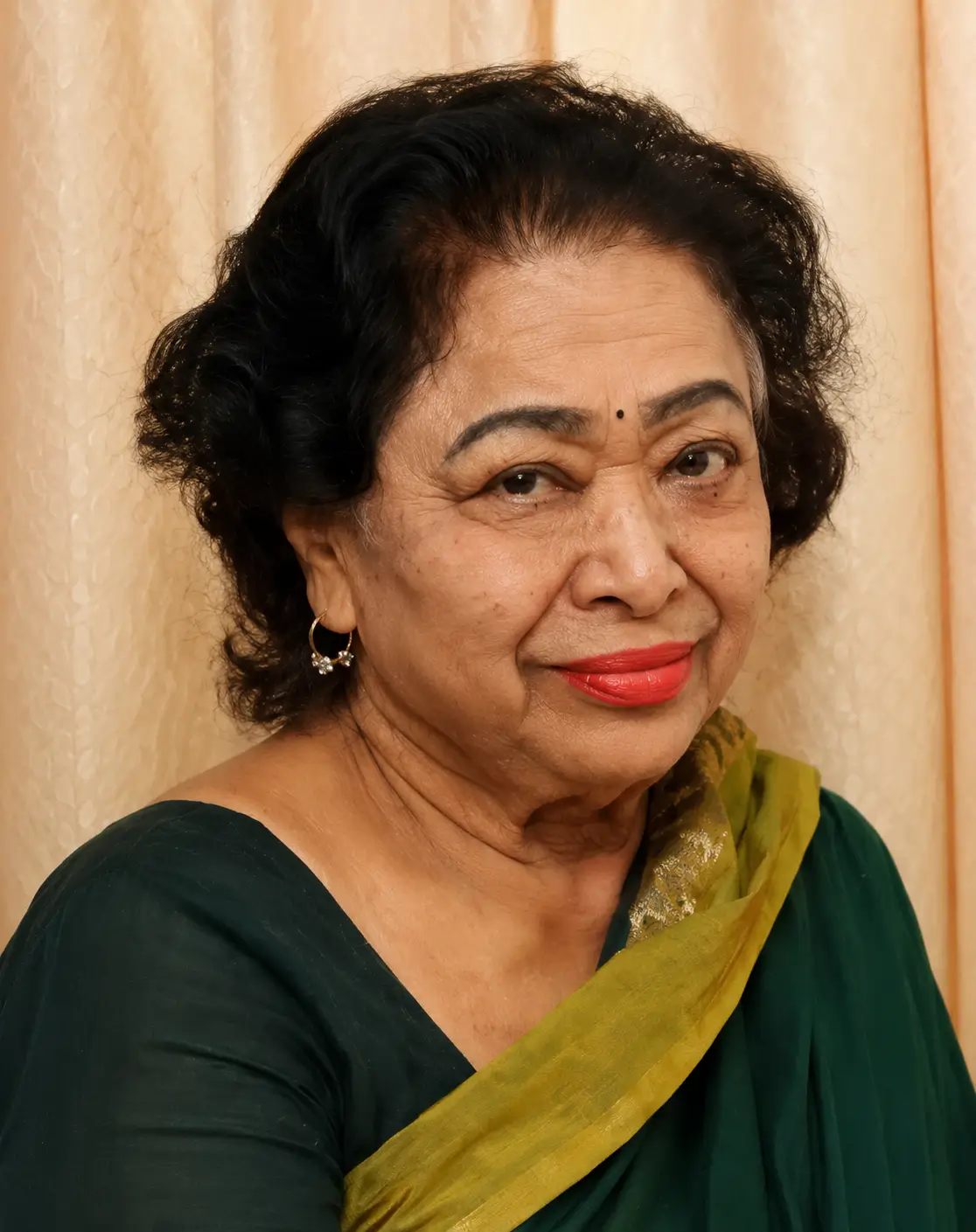
Shakuntala Devi
Born 1922

Shakuntala Devi

  • Mathematics

Mental calculator, astrologer, and writer, popularly known as the "Human Computer". Her talent earned her a place in the 1982 edition of The Guinness Book of World Records.

Known as the “Human Computer,” she amazed the world with her extraordinary mental calculation abilities.

1931
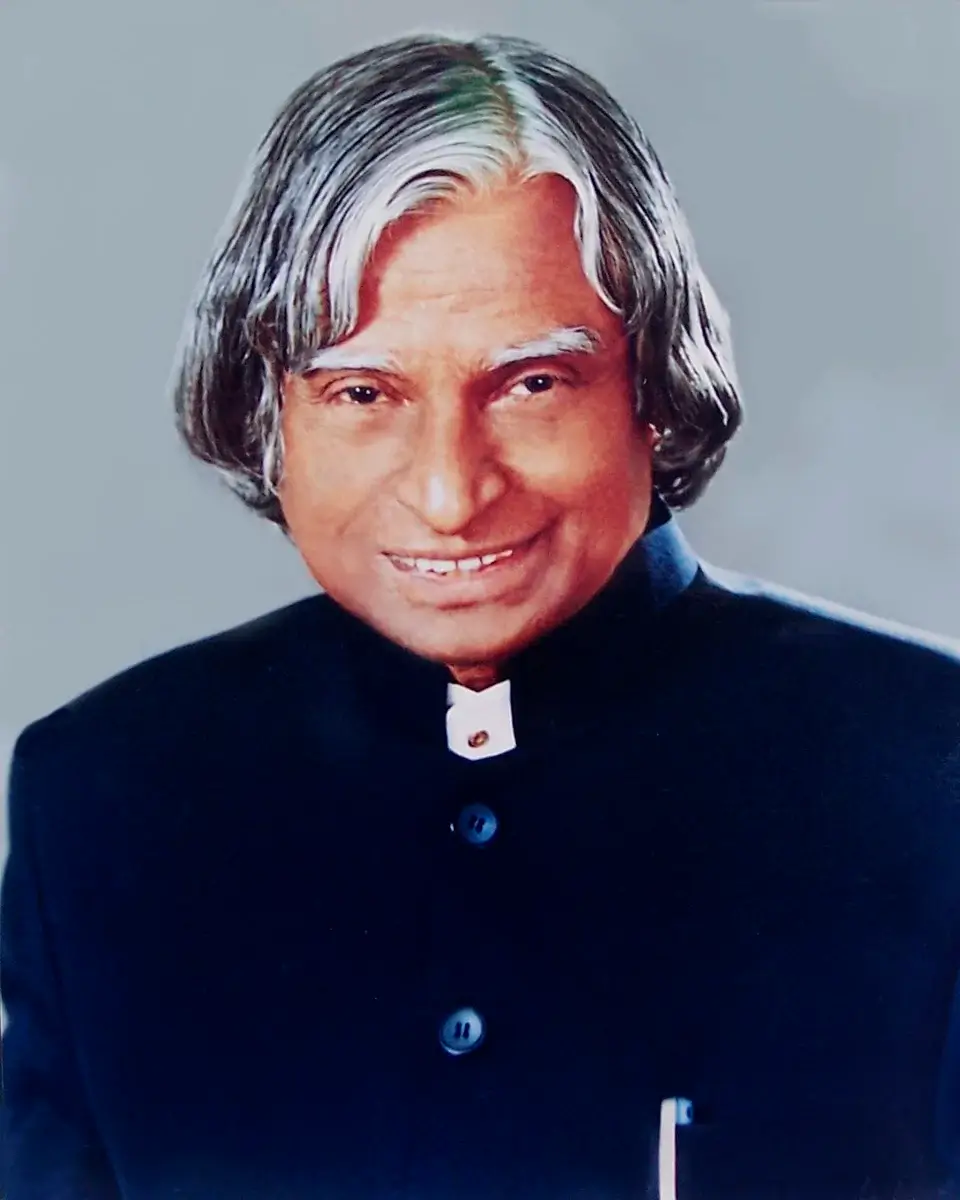
A. P. J. Abdul Kalam
Born 1931

A. P. J. Abdul Kalam

  • Aerospace Engineering
  • Missile Technology

He played a key role in India's space and missile programmes and served as President of India from 2002 to 2007.

Known for his public service, science leadership, and education outreach.

1938
Jayant Narlikar
Born 1938

Jayant Narlikar

  • Astrophysics

He has made significant contributions to understanding the universe, especially in cosmology and gravitation.

Also known for communicating science to wide audiences.

1952
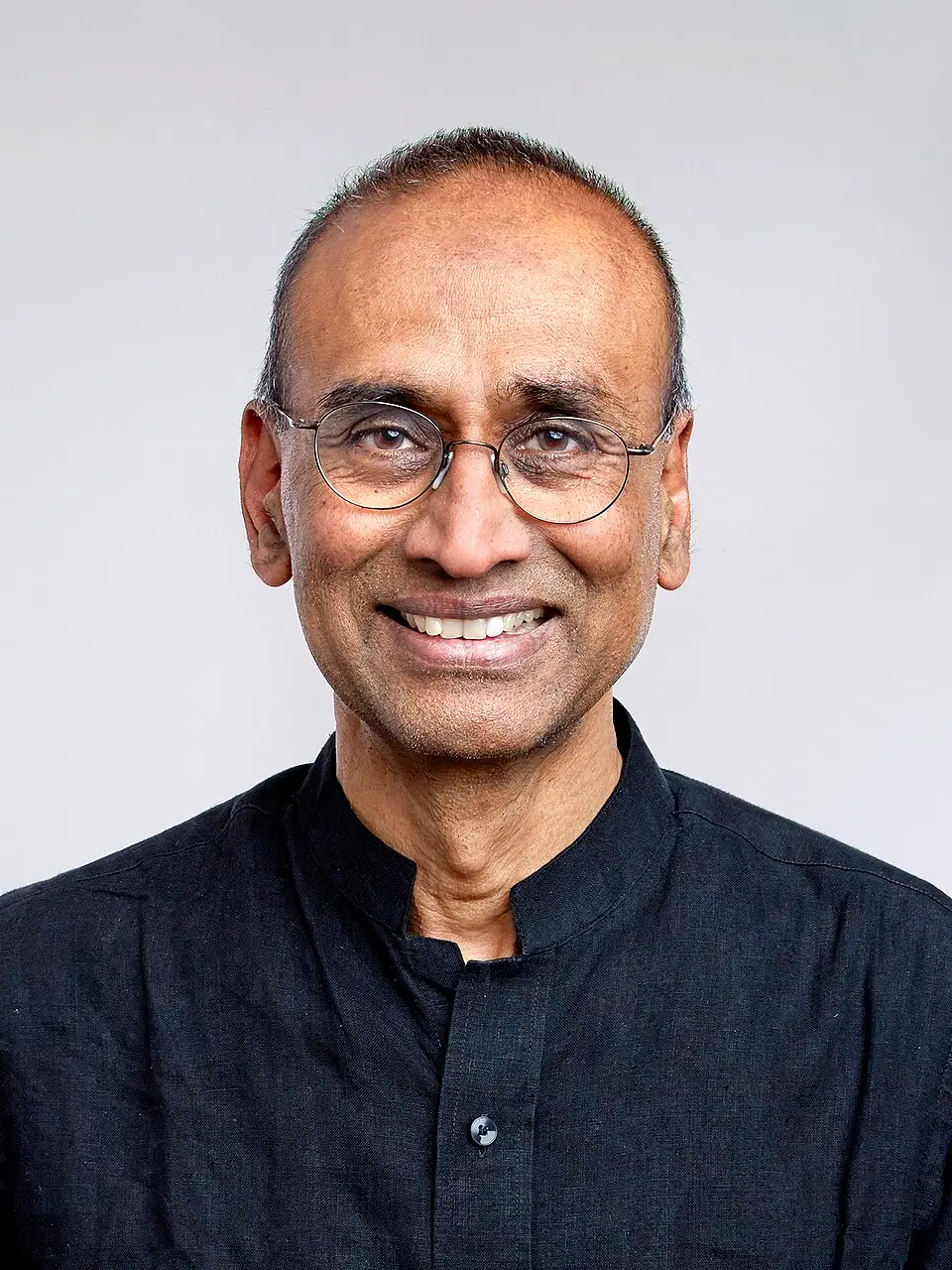
Venkatraman Ramakrishnan
Born 1952

Venkatraman Ramakrishnan

  • Structural Biology

He won the Nobel Prize in Chemistry for work on the structure of ribosomes, which are essential for protein synthesis in cells.

His work revealed atomic-level details of one of life's central molecular machines.

1952
Dr. Tessy Thomas
Born 1963

Dr. Tessy Thomas

  • Aerospace engineering

She is known as the "Missile Woman of India". She is the former Director General of Aeronautical Systems at the Defence Research and Development Organisation (DRDO) and the first woman scientist to head a missile project in India.

Known as the “Missile Woman of India,” she led the development of India's strategic missile systems.